
Learn to play
beautifully
... even if you're a
complete beginner
Let's Start Your NEW Piano Journey Together

My name is Albert Frantz, and I'm a concert pianist based in the City of Music, Vienna, Austria. I founded Key-Notes to help music lovers such as yourself learn piano the way concerts artists do, which is much easier than you may think!
Your Teacher
Discover your true artistry
No matter where you are in your piano journey

Hundreds of Lessons
Professional video lesson library, conveniently divided into 14 progressive modules

Your Favorite Music
Learn to play your favorite piano pieces—Baroque, Classical, Romantic and Modern


Downloadable Recordings
Download each piece, recorded on a Bösendorfer Imperial concert grand in audiophile quality

Downloadable Sheet Music
Specially edited, professionally typeset, downloadable editions of your repertoire

What you can expect from Key-Notes
Key-Notes will guide you step by step through your piano journey. Learn your favorite music the way concert pianists do—with sound technical, ear training, and music theory skills from the very beginning.
You'll learn dozens of classical pieces using innovative multimedia and software learning tools that work on your computer, tablet, or smartphone.
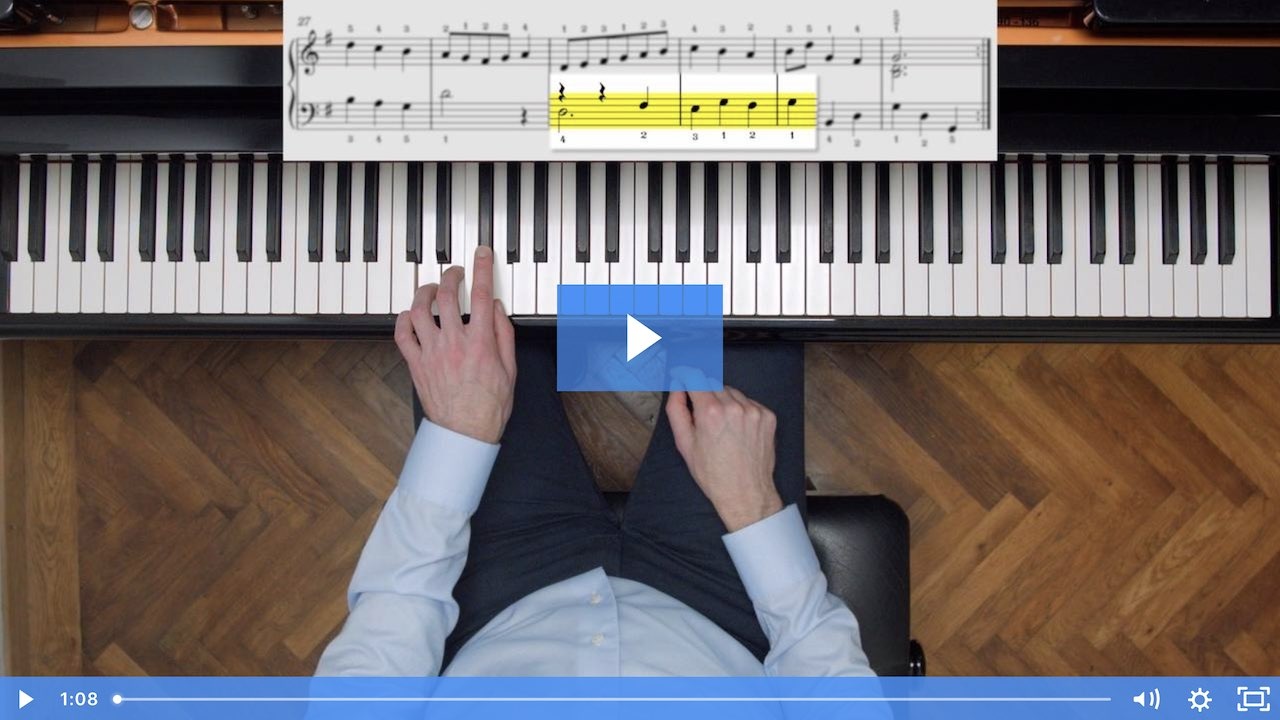
Video Lessons
Hundreds of expert tutorials organized into actionable steps to guide you along your piano journey
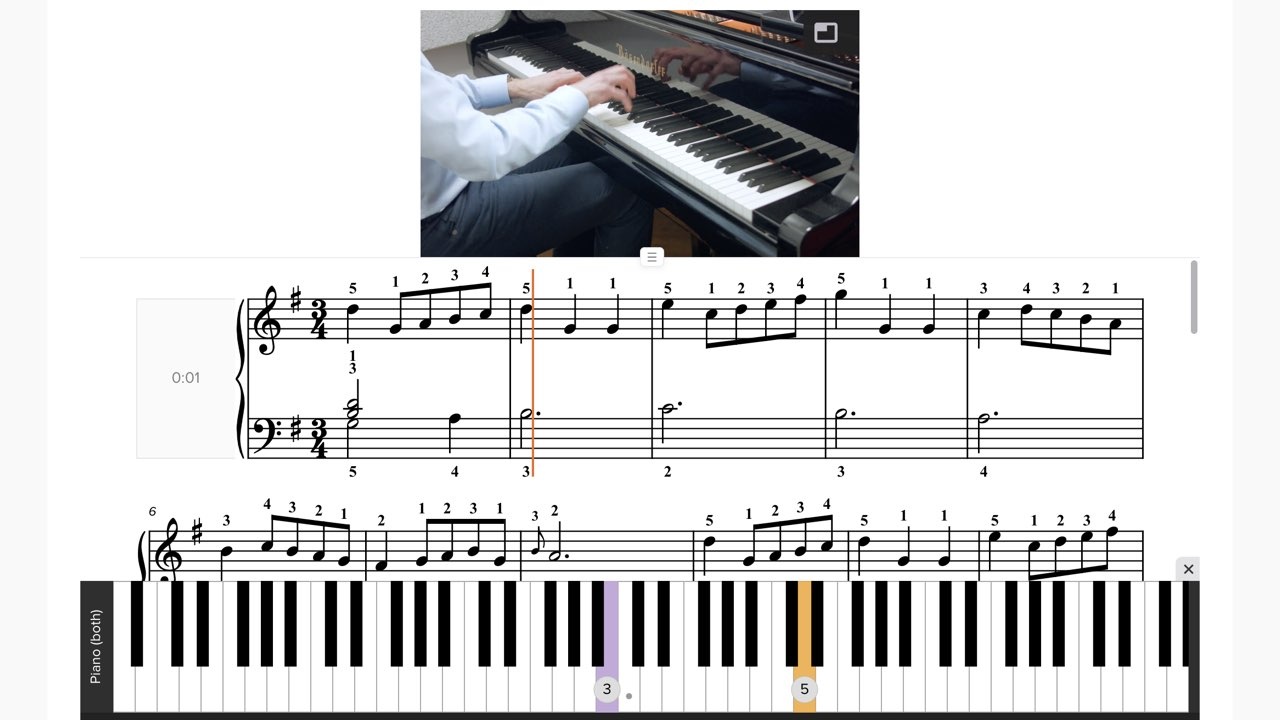
Let's practice together—I'll even show you which fingers to use for every note!

Discover the language of music in every piece, so you can learn even faster

Drill each chord in every piece you learn—your missing link to learning music faster!*
Membership means unlimited learning
Sign up for a membership and enjoy unlimited lessons. Any module, any piece, any time.
*Chordio™ requires a MIDI keyboard and the Chrome desktop browser.

Peggy O.
"Wonderment and sheer enjoyment... an immense tool for becoming a more adept pianist."
Dr. John F.
"A marvelously done production. Very articulate, clearly presented lessons make it easy to understand."

Diane M.
"A detailed COMPLETE college and wonderful visual step by step course. ❤️🏅"

Dr. Scott W.
"One of the best educational tools in piano I have ever seen—takes nothing for granted."

Dr. Eli R.
"Enriched my life in so many ways through your love of piano and through teaching me things that I never thought I could learn. Truly I can tell you that it's your lessons that have made my time at the piano a real joy."
Alison A.
"Concise, considered, researched, drawing on a wealth of experience."
Learn to play beautifully
With the right guidance from an experienced artist and teacher, you'll learn to transform notes into a full spectrum of emotions.
Get Started Today
My #1 Advice for Adult Piano Learners
Just 3 minutes from now, you'll know my most important technique that will forever transform your ability to learn and express music at the piano.
You'll also receive a weekly conservatory-quality 3- to 5-minute lesson sharing exclusive playing and practice techniques used by concert artists worldwide.
Each lesson has been carefully crafted to meet the needs of players ranging from beginners to more advanced players.
We 🧡 privacy too, and you can easily unsubscribe at any time.